Sustainable production facilities
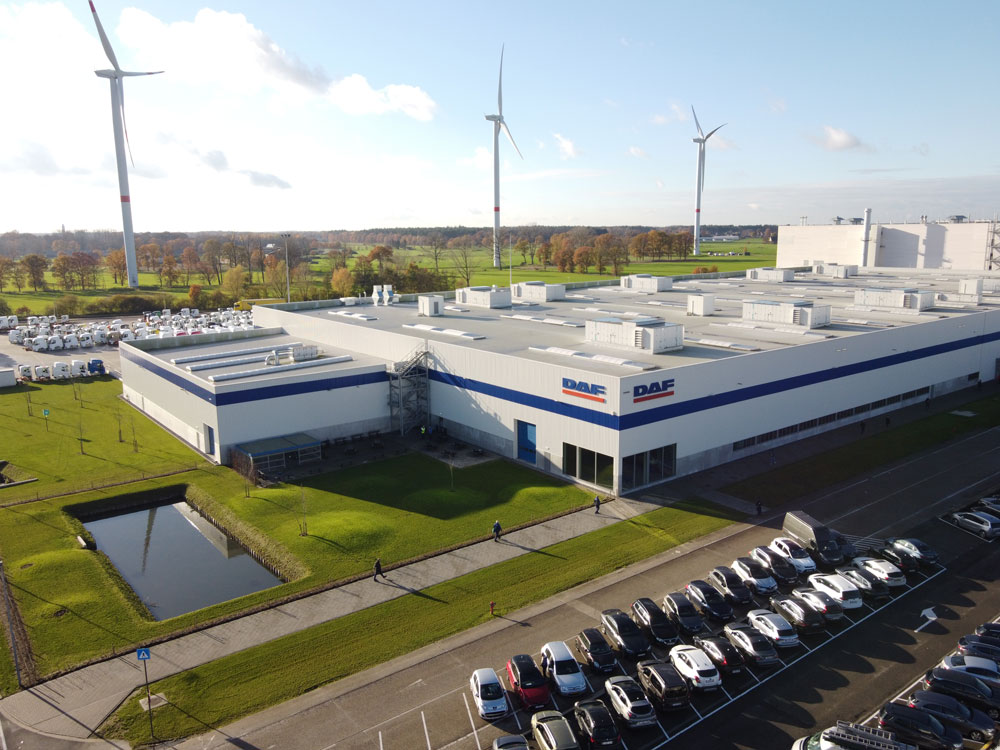
DAF is pursuing multiple initiatives to meet its 2030 ambition of a 45% reduction in scope 1 and 2 GHG emissions (compared the 2018 baseline year), following the current regulation. This ambition is supported by a CO2 reduction roadmap supplemented with clear action plans covering all the company’s production sites. To achieve our renewable energy targets, we are partly dependent on the capacity of the local electricity infrastructure at our sites. In some locations, the maximum electricity capacity permitted by local authorities limits our ability to fully transition to renewable energy sources. While DAF remains committed to increasing the share of renewable electricity, progress is influenced by these infrastructure and regulatory constraints.
Progress realized in all plants
In 2025, DAF Eindhoven, Westerlo and Leyland combined, implemented 28 projects to improve energy efficiency or to reduce gas usage, which collectively reduced CO2 emissions by almost 900 tonnes, Key projects include insulation of roofs and installation of LED lights.
Solar panel installation and heat recovery
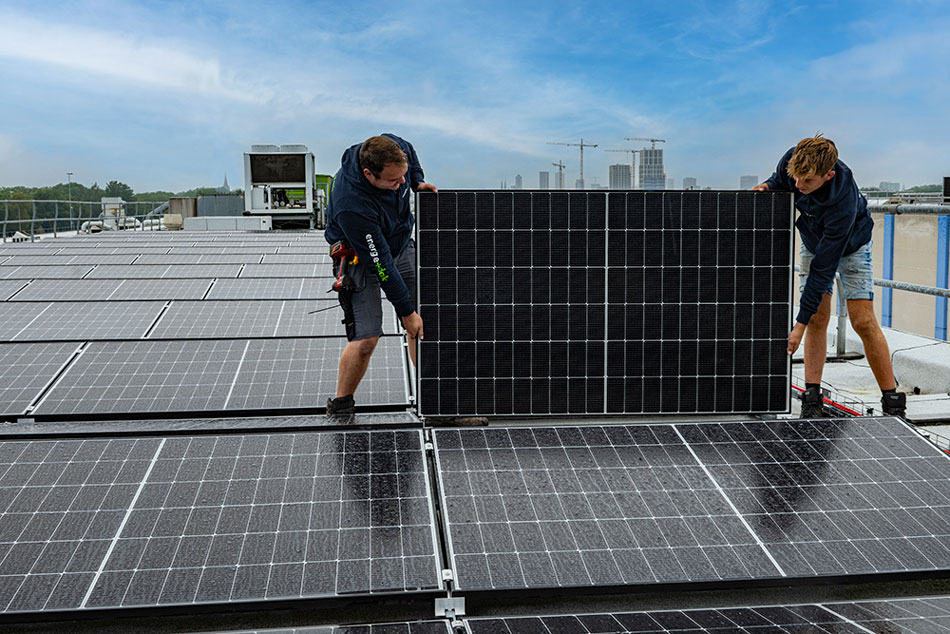
In 2024, we have installed two solar panel systems at our production location in Eindhoven and our PACCAR distribution center in Massbach. They consist of 7,500 solar panels in total and they produced over 2,500 MWh in 2025. In August 2025, two solar panel systems were installed at our production location in Westerlo which produced almost 400 MWh in 2025. The combined solar panel area now exceeds 10,000 panels.
Heat recovery
In the engine development process, engines are tested in a stationary test cell at the Engine Test Center. A large part of the heat that occurs then, has already been used to heat the Engine Test Center office building for years. Since 2025, the remaining waste heat is captured and supports the boilers of the central warehouse to further reduce our local CO2 emissions
Full suite of innovations in Westerlo
In 2025, energy consumption in the cab paint shop was successfully reduced by optimizing the Air Supply Unit (ASU). By lowering the ASU temperature from 21°C to 18°C and decreasing airflow by 40%, we cut natural gas usage by approximately 86,000 m³ annually. This initiative reduced CO2 emissions by 200 tonnes, significantly lowering our carbon footprint while maintaining high-quality paint conditions. In our cab paint shop, we also replaced traditional TL lamps with dimmable LED lighting that is automatically adjusted based on the color of the cab paint. This significantly reduces energy consumption, cutting annual electricity use by over 30 MWh. Beyond sustainability, the new LED system improves visibility of eventual paint defects, and enhances the work environment by providing comfortable lighting that reduces eye strain, promoting both employee well-being, quality and operational efficiency.

B100 readiness
In 2025, DAF introduced a specific engine version for its XF, XG and XG+ models to operate on B100 biodiesel, also known as FAME (Fatty Acid Methyl Esters) or RME (Rapeseed Methyl Esters). The B100 biodiesel is produced entirely from renewable vegetable oils and fats and reduces well-to-wheel CO2 emissions by up to 90% when compared with fossil fuel diesel. To support production of this engine specifically designed to drive on B100 biodiesel, the hot test process was expanded to handle biodiesel. The test cell software was upgraded and a dedicated fuel tank was added for biodiesel storage and supply. Adaptations were also made in the truck assembly plant, to fill trucks with MX-13 B100 engine with the biodiesel needed.
ISO 14001
For over 25 years we deploy an environment management system to monitor our environmental impact. As one of the first large companies in Europe, DAF has been ISO 14001 certified since 1998. This ISO 14001 certification underlines our effort to addressing environmental impacts stemming from our operations, such as air pollution, water usage, waste treatment, resource use, climate change mitigation and adaptation. Internal audits are routinely conducted to ensure the effectiveness of the policies and procedures we have implemented at our production facilities, the engineering test track, and the European parts distribution centers, used-truck centers and sales subsidiaries. Each DAF department is responsible for seeking continuous improvements towards mitigating negative environmental impacts. Via our dealer standards we require that all European DAF dealers have an ISO 14001 certificate or are in the process of obtaining this.
Cooling water
Since 2003, DAF has been using water from the Eindhoven Canal for industrial cooling, reducing the use of drinkable water for this purpose by up to 80%. This water is returned to the canal after cleaning through a filtration system. We continuously work on projects to further improve the waste water quality discharged to the sewer.
Energy dashboard
We have introduced an energy dashboard that tracks energy consumption in all our manufacturing facilities. This tool allows engineers to analyze energy usage patterns and collaborate with production teams to identify areas for improvement. Where possible, machines are shut down when they are not in use and settings are adjusted to optimize energy efficiency.
Further energy efficiency projects
In 2025, in Eindhoven, extensive roof insulation projects were performed, enhancing the insulation value by an average of 70% across over 32,000 m² of roofs. More than 17,300 m² has been upgraded, with approximately 14,700 m² completed in the first months of 2026.
In the DAF engine plant, two washing machines using hot water supplied by the main gas-fired boiler for heating, have been replaced by electrically heated installations. This also goes for one of the tempering furnaces and an oven in the gear department, contributing to a further reduction of our scope 1 GHG emissions.
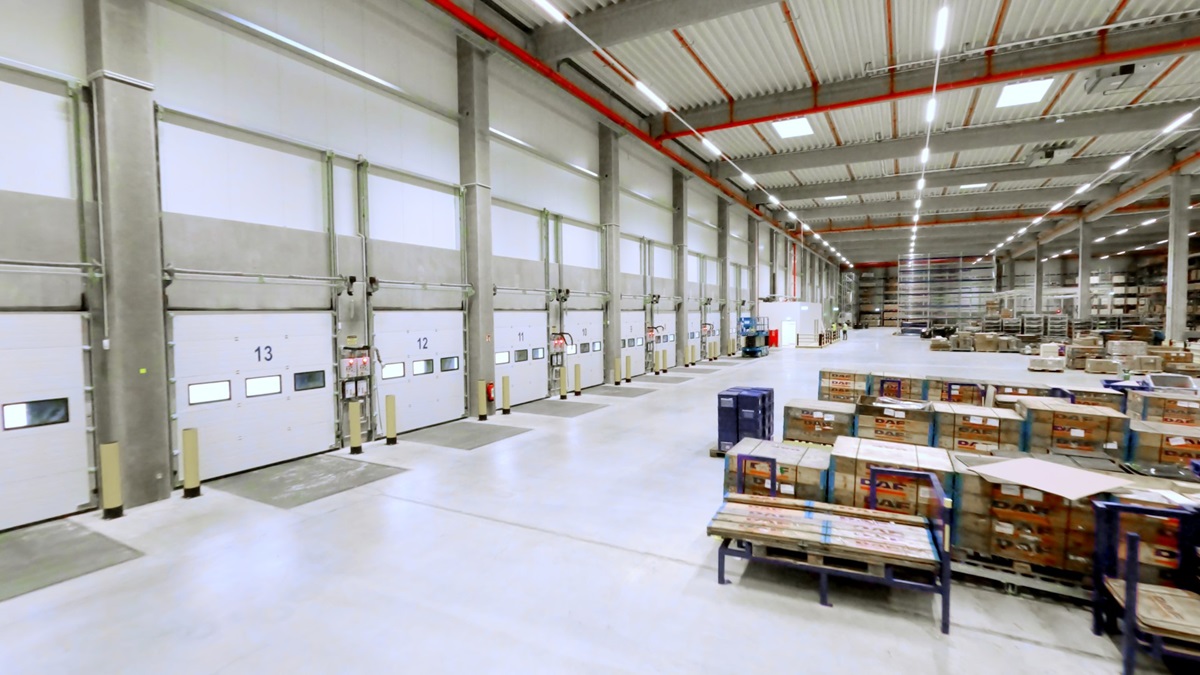
In the Parts Paint Shop in Eindhoven, process improvements have led to a significant reduction in paint waste, reducing VOC emission. By changing to high-solid paint, less solvents are used, also lowering VOC emissions. To ensure a reliable measurement of solvents used, new VOC meters have been installed. In the PACCAR Parts Distribution Center in Eindhoven, double lock doors were set that never open at the same time. New dock shelters protect against rain and draft.
Climate campaign
At the Belgium manufacturing facility, a Climate Campaign promotes employees to identify energy waste and report it to supervisors and the environmental team, fostering a proactive approach to sustainability. Additionally, a competition invites team members to propose energy-saving solutions, with rewards for the best ideas. Together, we are not just reducing our environmental footprint; we are building a culture of sustainability at DAF.
Employee commuting
We have started several initiatives to reduce emissions from employee commuting. For example, 50 electric vehicle charging stations have been installed across the Eindhoven site for both employees and visitors. We actively promote carpooling through a dedicated app that helps colleagues connect and offers financial incentives for shared rides. In 2025, almost 300 employees registered for this carpool app; they shared over 4,000 rides and saved over 11 tonnes CO2 emission. Additionally, for over 50 years, we have been organizing bus transportation for production employees, further decreasing the number of individual car trips. These initiatives collectively help lower our carbon footprint and contribute to a more sustainable future.
To promote sustainable mobility on the DAF site, we introduced red bicycles for easy travel between buildings, encouraging employees to choose cycling over driving. Additionally, a bike plan offers staff the opportunity to purchase or lease new bikes or e-bikes at discounted rates, making eco-friendly commuting more accessible. We also upgraded the main bike parking facility, doubling capacity from 240 to 480 spaces, ensuring ample and secure storage. Surrounding this area, we enhanced green spaces to create a pleasant environment, supporting both sustainability and employee well-being. These initiatives contribute to reducing our carbon footprint and fostering a healthier workplace
Related information
Go back to...