Sustainable transport solutions
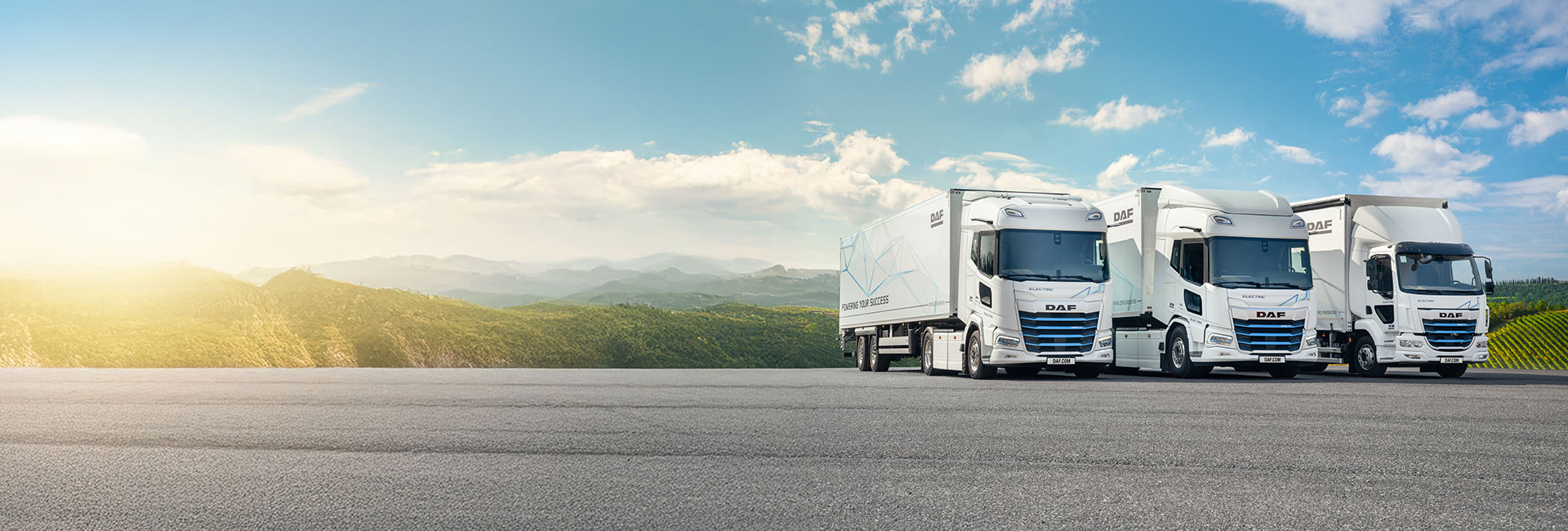
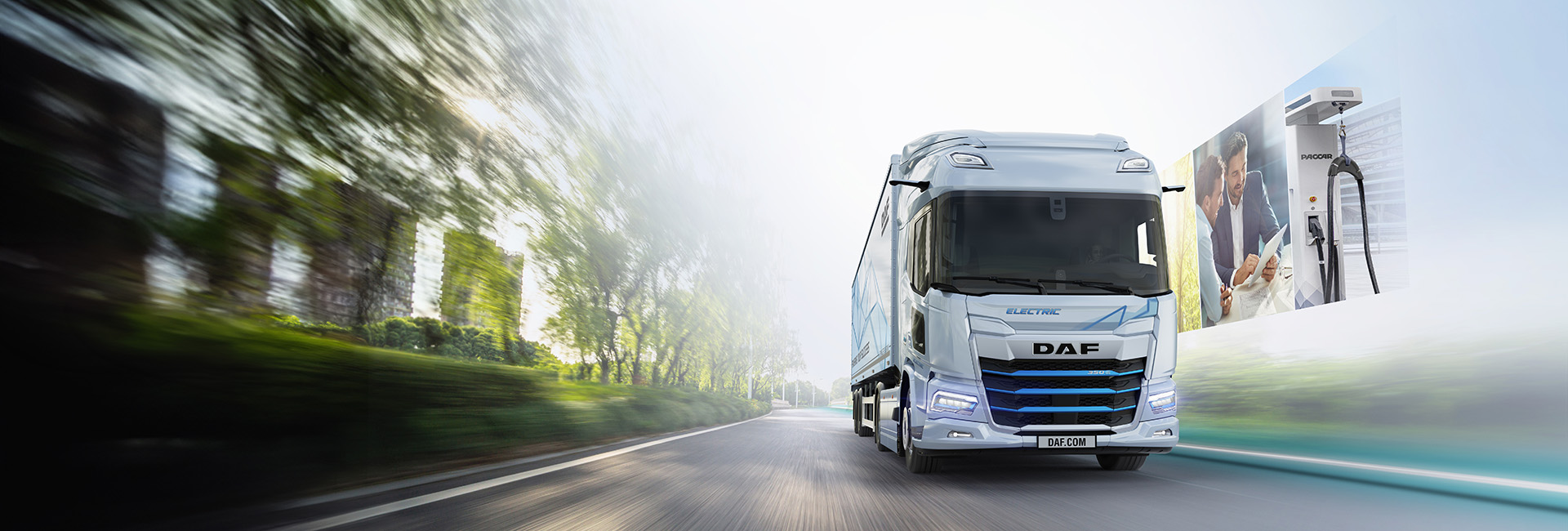
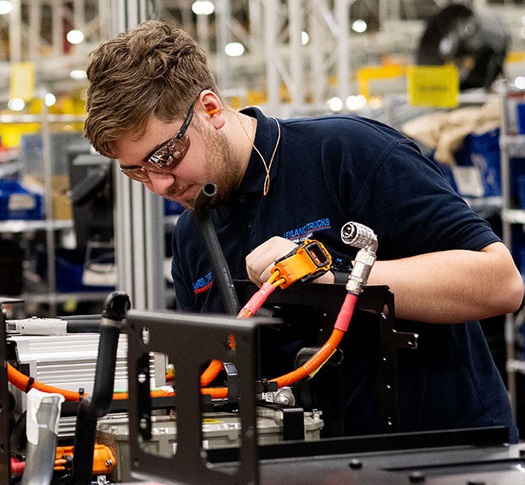
In 2025, DAF started series production of a full range of XD and XF Electric vehicles with ‘zero or very low tailpipe emission (ZEV)’ ranges of up to 500 kilometers on a single charge. These have been awarded ‘International Truck of the Year 2026’ and are produced in DAF’s dedicated Electric Truck Assembly plant in Eindhoven. DAF Components presented new, highly efficient PACCAR MX-11 and MX-13 engines for buses and coaches at Busworld 2025, the industry trade fair taking place in Brussels.
The New Generation DAF trucks, launched in 2021 and the subsequent years, represent the largest design and development program in our over 75-year truck production history. Thanks to their optimal aerodynamics, highly efficient combustion engines and advanced Driver Assistance Systems, these vehicles are leading the way in low fuel consumption (saving up to 13% compared to their predecessors, with an equal GHG emissions reduction). Because of its industry leading fuel efficiency, the New Generation DAF was named ‘Fleet Truck of the Year’ at the prestigious Motor Transport Awards 2025 ceremony in London.
All New Generation DAF trucks come with a 5-year PACCAR Connect subscription. This online fleet management platform provides real-time information on the performance of the entire fleet, individual vehicles as well as drivers, thereby helping operators to optimize efficiency and returns per kilometer.

New Generations of fuels
All DAF vehicles from the latest generation can run on 100% HVO (Hydrotreated Vegetable Oil) a high quality synthetic diesel made from waste products and oils from the food industry. It is currently the most sustainable fuel on the market for diesel trucks and can offer a reduction of over 90% in CO2 emissions (well-to-wheel). Unlike previous generations of biofuels, HVO has no impact on food production.
In 2025, we also introduced engine versions that can operate on B100 FAME biodiesel, an organic diesel made from processed oils, which is available at lower cost than HVO and results in up to 90% CO2 reduction compared to regular diesel.
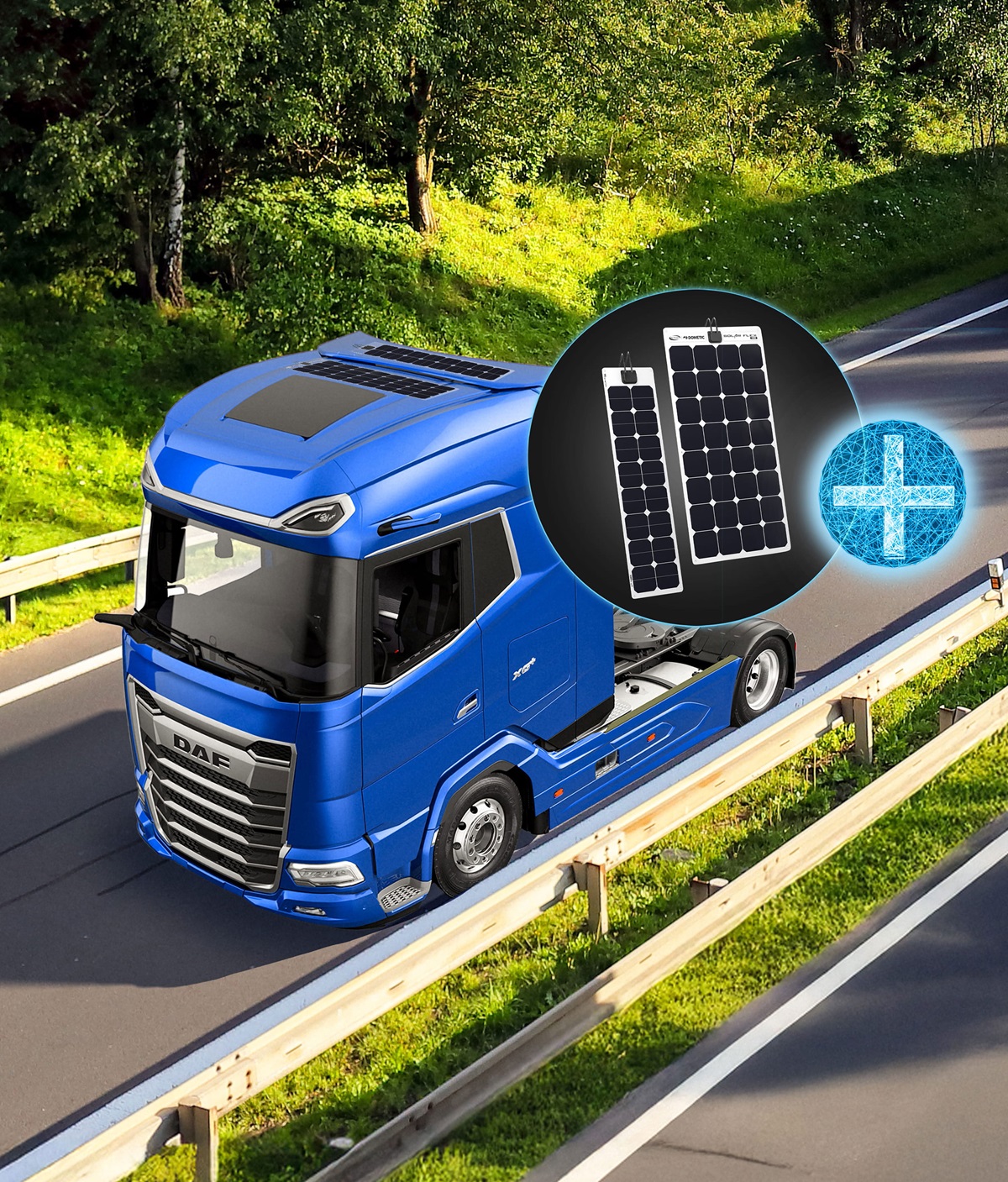
In 2025, PACCAR Parts introduced ultra-thin, flexible solar panels that can be installed on the roof of virtually any cab, trailer, or body. The cells continuously charge the battery with solar energy. The lightweight panels save fuel, reduce the truck’s CO2 emissions, and decrease wear on the alternator and battery.
Related information
Go back to...